The History Behind Royal Collection Jewelry: Timeless Pieces Fit for Royalty
The origins of royal collection jewelry uncovers a tale rich with craftsmanship and authority. Over centuries, these pieces have transformed, reflecting cultural exchanges and evolving aesthetics. Every piece holds profound significance, spanning elaborate craftsmanship to the finest materials. Exploring their importance encourages a thorough investigation of the skill and symbolism that define these celebrated treasures. What influences have shaped these timeless treasures, and which individuals played a key role in their development?
How Has Royal Jewelry Changed Throughout History?
As royal dynasties flourished across centuries, royal jewelry evolved to mirror both cultural transformations and progress in craftsmanship. In the beginning, royal adornments remained modest, frequently crafted from locally sourced materials such as wood and stone, representing status and authority. Once trade networks grew, valuable metals and gemstones became available, resulting in complex designs that highlighted exceptional craftsmanship.
The Renaissance marked a significant transformation, with elaborate pieces that blended symbolism with storytelling, often reflecting the political landscape. By the 18th century, luxury characterized royal jewels, with elaborate settings and innovative techniques emerging. The Victorian age ushered in emotionally meaningful jewelry, featuring meaningful motifs that conveyed personal narratives.
In the present era, royal jewelry has evolved to meet modern design sensibilities while maintaining historical significance. At present, it functions not merely as an emblem of power yet also as a bridge connecting the past with the present, reflecting the perpetual excellence of masterful technique and cultural significance.
What Sets Iconic Royal Jewelry Pieces Apart
Distinguished royal jewelry items are distinguished not only for their exquisite artistry but also for the rich heritage and meaning they represent. Each piece often serves as a reflection of the legacy of a monarchy, representing power, prestige, and cultural heritage. The distinctive designs regularly incorporate particular gems and symbolic patterns that capture significant events or personal stories associated with royal figures. To illustrate, certain pieces may honor royal matrimonial occasions or act as treasured keepsakes transmitted across generations, amplifying their personal and historical worth.
Additionally, these gems are often decorated with elaborate craftsmanship that demonstrate creative mastery and the talents of esteemed artisans. The scarcity of materials used, such as uncommon diamonds or singular colored gems, enhances their fascination. In essence, timeless royal jewels goes beyond simple decoration; it encapsulates the rich history, profound identity, and lasting legacy of the illustrious individuals who bore these pieces, making each piece a meaningful relic of the age from which it originates.
What Craftsmanship Techniques Are Common in Royal Jewelry?
In the realm of royal jewelry, time-honored handcrafting techniques hold a fundamental role in producing pieces of remarkable quality. Such techniques frequently encompass intricate gemstone setting, ensuring that each stone is placed with precision and care. Such craftsmanship not only enhances the aesthetic appeal but also contributes to the historical significance of these treasured items.
Traditional Handcrafting Methods
Many regal jewelry pieces are celebrated for their remarkable craftsmanship, highlighting a blend of classic handcrafting methods that have been passed down through generations. Craftsmen use techniques such as fine filigree work, where intricate threads of metal are bent and joined to create intricate designs. A further notable technique is the cloisonné technique, which involves the use of thin metal bands to form chambers filled with gems or decorative enamel. Additionally, hand engraving adds unique details and textures, showcasing the skill of the maker. The use of the lost-wax casting method allows for the production of elaborate and one-of-a-kind gold designs. Each piece reflects the devotion to the art, ensuring that imperial jewelry remains timeless, preserving the rich history and cultural heritage of the artistry that defines it.
Elaborate Gemstone Setting
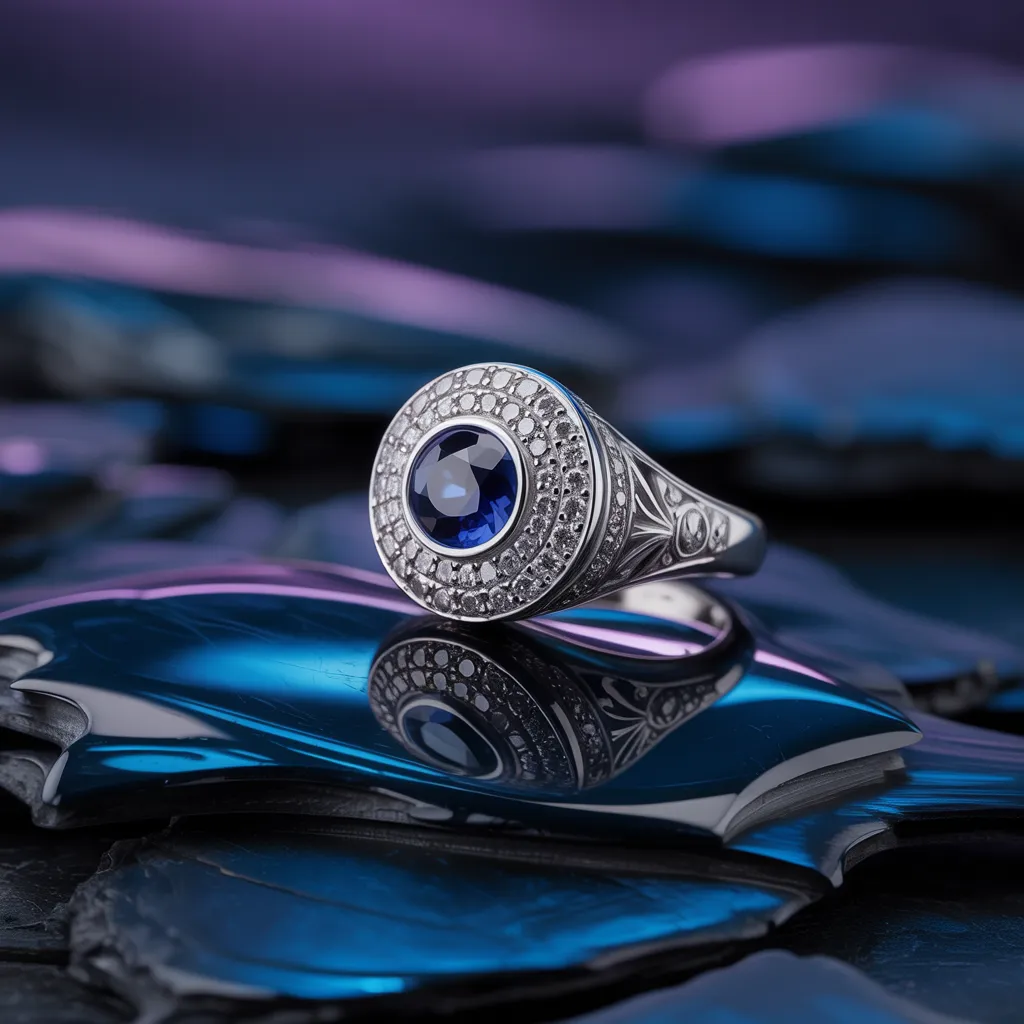
A multitude of techniques define the practice of elaborate gem setting in royal jewelry, bringing each item to a level of unmatched elegance. Among these, the prong setting is prevalent, where metallic prongs hold gems while optimizing light reflection. The bezel setting, encasing the gem in a metal rim, provides a clean and contemporary look. Additionally, pave arrangements form a radiant finish by placing miniature stones tightly together. Royal artisans often employ the technique of invisibly setting gemstones, producing an uninterrupted aesthetic that accentuates their luminosity. Moreover, meticulous attention is given to jewel arrangement and proportion, ensuring that each design reflects elegance and balance. Such artisanal methods enhance the enduring allure of fine royal pieces, mesmerizing collectors throughout the ages.
What Symbolism Is Embedded in Royal Jewelry
What deeper meanings lie within the intricate designs of regal jewels? Each piece often serves as a symbolic expression of power, loyalty, and heritage. Emblems like crowns or scepters convey power and rule, while motifs like flowers or animals can signify beauty and nature's begin here bounty. Gems are picked not solely for their decorative value but also for their historical importance; sapphires symbolize wisdom, rubies signify ardor, and emeralds are linked to rebirth.
Additionally, regal jewelry often includes details that represent national identity, such as emblems or hues linked to a particular country or dynasty. Gifts of jewelry between royals commonly signify alliances and strengthen relationships, carrying layers of personal and political meaning. Therefore, these extraordinary treasures surpass ordinary embellishment, capturing tales of heritage, custom, and the complex fabric of history that shapes royalty.
In What Ways Have Royal Jewelry Trends Shifted Over the Years?
How has the evolution of royal jewelry trends unfolded throughout history? Over the centuries, royal jewelry has mirrored societal changes, reflecting shifts in fashion, culture, and technology. During the earliest eras, lavish gemstones and elaborate metalwork were preferred, serving as symbols of wealth and power. During the Renaissance, intricate designs featuring floral motifs and enamel work emerged, highlighting exceptional artistic craftsmanship.
During the Victorian period, personal sentiment became prominent, with items frequently incorporating strands of hair or secret inscriptions. The Art Deco era further celebrated vivid colors and angular shapes, reflecting contemporary ideals and creative advancement.
In contemporary times, there has been a significant shift toward minimalistic aesthetics and responsible sourcing, aligning with an increased awareness of social values. Members of royal families now often choose jewelry that harmoniously combines heritage with contemporary style, illustrating a graceful flexibility in an ever-changing landscape. As style and design perpetually transform, royal jewelry remains a dynamic expression of identity and heritage, maintaining its relevance through the ages.
Which Royal Figures Defined Jewelry Trends
Across the ages, many royal individuals have profoundly impacted jewelry trends, shaping not only personal style but also broader fashion movements. Queen Victoria of the United Kingdom popularized sentimental jewelry, most notably items embellished with lockets and hair, symbolizing personal connections. During the twentieth century, Princess Diana became a fashion icon, celebrated for her daring selections, among them the remarkable sapphire engagement ring that triggered a revival in colored gemstones.
Likewise, the late Queen Elizabeth II exhibited classic refinement with her remarkable collection of diamond tiaras and brooches, encouraging generations to adopt classic styles. More recently, Meghan Markle has impacted current fashion perspectives, favoring minimalist designs that blend tradition with contemporary flair. Every one of these influential royal icons not only defined their eras but also left a lasting legacy, showing how jewelry is able to embody cultural values and personal narratives while consistently advancing within the world of fashion.
Common Questions and Answers
What Materials Are Typically Found in Royal Jewelry Designs?
Luxury jewelry styles traditionally include precious metals like platinum and gold, along with gemstones such as diamonds, emeralds, sapphires, and rubies. These materials combine to produce luxurious, timeless creations that represent prestige and sophistication.
How Have Royal Jewelry Pieces Impacted Today's Fashion Trends?
Royal jewelry pieces influence current fashion by bringing refinement and grandeur, frequently showcasing bold gemstones and elaborate designs. Designers regularly borrow from these timeless elements, merging heritage with contemporary style to create striking, fashionable statements.
Are There Specific Occasions for Wearing Royal Jewelry?
Fine royal jewels is typically showcased at formal occasions such as formal galas, wedding celebrations, and state functions. Such distinguished occasions provide the perfect setting for these treasures, highlighting their exquisite artistry and rich heritage while complementing the wearer's graceful appearance.
How Are Royal Jewelry Pieces Preserved and Maintained?
Precious royal jewelry is kept in excellent condition by means of thorough cleaning, secure storage, and routine inspections by trained professionals. Environmental factors are precisely regulated, guaranteeing items stay in immaculate condition, while historical records capture their history and importance for posterity.
What Part Does Royal Jewelry Play in Royal Ceremonies?
Royal jewels functions as a symbol of authority and tradition during royal ceremonies, enhancing the grandeur of such occasions. These remarkable jewels often embody cultural heritage, solidifying the crown's bond to historical roots and cultural identity.
Key Takeaways
The progression of royal collection jewelry embodies a remarkable fusion of artistry, heritage, and influence. Each iconic piece reflects not only exceptional artistry but also deep-rooted symbolism and heritage. As fashions transitioned from grandeur to understated elegance, royal jewelry has continually adapted, enduring as symbols of distinction through the centuries. Celebrated members of royalty have shaped and refined these trends, ensuring that these stunning adornments endure as symbols of legacy and elegance, fit for royalty across generations.