Things about Tru-diamonds
The very same carat dimension can look bigger or smaller depending on the cut and setting. Look for brands that provide excellent worth and price.
They include: Cut: How well the diamond mirrors light. Shade: The less color, the better. Clarity: Less blemishes imply even more shimmer. Carat Dimension: The weight of the ruby. The cut of a ruby affects just how much it glows. A well-cut lab-grown diamond reflects extra light and looks magnificent. Excellent or Suitable Cut for the best sparkle.
You don't require to overspend to obtain a beautiful diamond. Numerous lab-grown rubies provide superb value contrasted to natural rubies.
The 9-Second Trick For Tru-diamonds
Ensures diamond top quality and credibility. Verifies the chemical make-up matches an actual ruby. You can acquire lab-grown diamonds either online or in a physical shop.
Examine return policies and customer reviews. In-Store Purchasing: See the ruby ring, jewelry, or necklace personally. https://profile.hatena.ne.jp/trudiamonds/. Obtain specialist guidance on diamond top quality. Do you want a special engagement ring or an unique diamond arm band? Customization allows you produce something unique. Carat weight dimension and shape of the ruby. Ring settings and jewellery styles.
Use funding planssome shops provide 0% interest if you pay in installations. Reviews help you discover about ruby start here top quality, client service, and overall experience.
Lab-grown diamonds have the exact same sparkle, quality, and top quality as all-natural rubies. They are made using the exact same chemical make-up and are optically similar.
Some Ideas on Tru-diamonds You Should Know
Lab-grown diamonds set you back 30-40% less than natural ones. Numerous natural rubies come from extracted sources that may include unjust labor. Lab-grown rubies are conflict-free and ethically sourced.
Due to the fact that they are made in a regulated setting, lab-grown diamonds commonly have much better clearness than mined ones. Numerous brands currently supply trade-ins and resale alternatives for lab-grown diamonds. This makes them an affordable investment.
< From nitrogen to boron, the classification of diamond kinds describes the concealed scientific research behind a ruby's color and credibility. Those 4 attributes describe just how a diamond looks and aid determine its value.
That system is called diamond typing. Diamond typing can appear technological, yet the idea is surprisingly straightforward., diamond type classifies rubies based on their chemical make-up and atomic structure.
The Ultimate Guide To Tru-diamonds
Yes! They look the same. Before October 2025 Laboratory Grown and Natural Diamonds utilized specifically the same grading system and we refer to the main characteristics of both by making use of the popular terms of covered listed below. In 2025 the GIA announced that from October 2025 they would no longer quality Laboratory Grown diamonds making use of the very same 4Cs system as Natural.
For more up to date information please visit each of the links above. If you're looking at 2 graded rubies that have the exact same grading (eg.
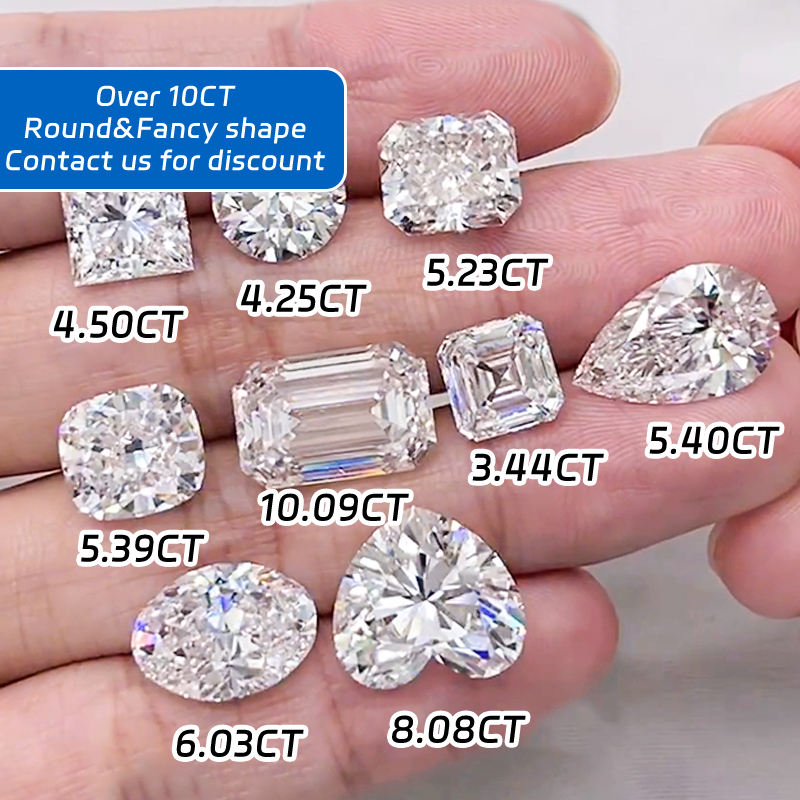
Diamonds over a certain size are commonly readily available with a certificate that provides every detail of the ruby being acquired by the client. Both alternatives are offered to supply self-confidence to our clients - imitation diamond. Whilst we advocate that genuine diamond is an All-natural Ruby from the earth, we would certainly be silly to ignore the alternative discovered in Synthetic Laboratory Expanded rubies specifically as clients come to be extra knowledgeable about them and are ending up being a lot more willful concerning acquiring them
Excitement About Tru-diamonds
Transparency in our sector is of extremely important value therefore we feel it is just right to comment on several of the mixed messaging that is available on this topic. A Synthetic Lab Grown Diamond is considerably less expensive than an All-natural Mined Ruby. Natural diamonds have a restricted supply whereas labs can create an endless supply of the other which remains to drive costs downwards.
As a customer, you should not see a Laboratory Grown Ruby as an investment as you are not likely to see a lot, if any type of return for your money on the diamond in the future, though the rare-earth elements will likely have value. fake diamond. A Natural Diamond on the other hand could have some future value (though do not anticipate to recoup what you paid unless a rarer ruby in some method), and somehow preserves something special having actually been created in the planet instead of over ground in a factory someplace
It can be difficult to inform a real ruby from a phony one, especially to the untrained and naked eye.